Three centuries at the foot of Mt. Fuji
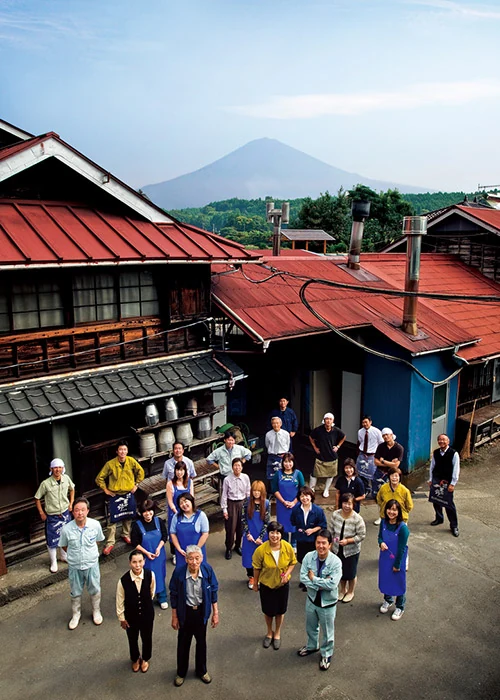
Fujinishiki Brewery, which makes Amachi Hoshisora, was founded in the Genroku era (1688–1704) in Yuno, a village at the foot of Mt. Fuji. It began with a landowning family who grew rice and brewed sake from it.
How Fujinishiki got its name
“Fuji ni nishiki nari”
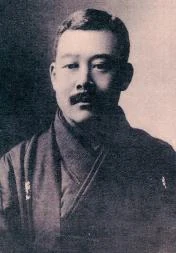
Born in 1874 as the fourth son of the Sei family, Kintaro worked as a newspaper reporter before becoming secretary to Yukio Ozaki, and was later elected to the House of Representatives. In 1911, inspired by America’s national parks, he petitioned the Imperial Diet to create a Fuji National Park.
In 1914 Kintaro invited Ozaki, by then Minister of Justice, to the family home in Yuno. Moved by Mt. Fuji glowing like brocade in the evening sun, and by Kintaro’s return home in glory as a member of parliament, Ozaki is said to have remarked, “Fuji ni nishiki nari”: brocade upon Mt. Fuji.
Until then the family’s sake had no brand name. They took his words and named it Fujinishiki.
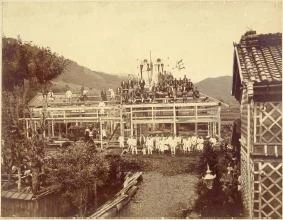
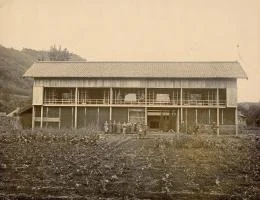
The brewery in the Meiji era
Photographs from the Meiji era, kept by Fujinishiki Brewery: the main house under construction in 1887, and the front gate, with a stable below and a room for raising silkworms above. They show a family that farmed as well as brewed.
Timeline
Genroku
1688–1704Genroku era
The first generation founds the brewery. A local landowner who farmed rice with many tenant farmers, he begins brewing with the rice paid as rent.
Meiji
1874Meiji 7
Kintaro is born, fourth son of the 14th generation.
1887Meiji 20
The main house is built.
1908Meiji 41
Kintaro is elected to the House of Representatives.
1911Meiji 44
Kintaro petitions the Imperial Diet to create a Fuji National Park.
Taisho
1914Taisho 3
Minister of Justice Yukio Ozaki visits Yuno. His words, “Fuji ni nishiki nari”, give the sake its name: Fujinishiki.
1921Taisho 10
Kintaro dies in office at the age of 47.
Showa
1936Showa 11
Mt. Fuji is designated part of the Fuji-Hakone National Park.
1948Showa 23
Post-war land reform ends the family’s work as landowners, and brewing is suspended.
1949Showa 24
After a six-year pause, the family reopens the brewery as its main business.
1955Showa 30
The 17th generation becomes head of the brewery.
1963Showa 38
The brewery is incorporated as Fujinishiki Shuzo Co., Ltd.
1974Showa 49
Ahead of the rest of Japan, it releases Fuji Tennen Jozoshu, brewed from rice alone with no added sugar or distilled alcohol.
Heisei
1990Heisei 2
When Japan abolishes its sake grading system, the brewery focuses on premium special-designation sake.
1996Heisei 8
The first kura-biraki (brewery open day) welcomes 400 visitors.
2006Heisei 18
Shinichi Sei becomes the 18th-generation head.
2014Heisei 26
A hundred years after the name was given, the brewery releases Gakudo, a commemorative sake named after Ozaki’s pen name.
2016Heisei 28
Fujinishiki begins exporting its sake.
Reiwa
2026Reiwa 8
The 26th kura-biraki is held.
Based on Fujinishiki Brewery’s company history and “Fuji ni nishiki nari”, an essay by the 18th-generation head.
The work of the brewery
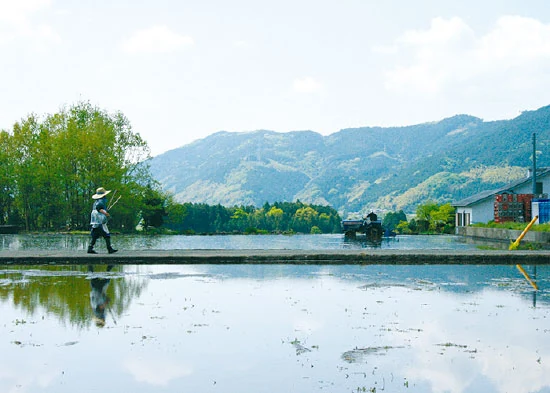
Fields
Yuno is a cold valley swept by the fuji-oroshi wind from the mountain. Its mineral-rich spring water nurtures organically grown Yamada-nishiki rice.
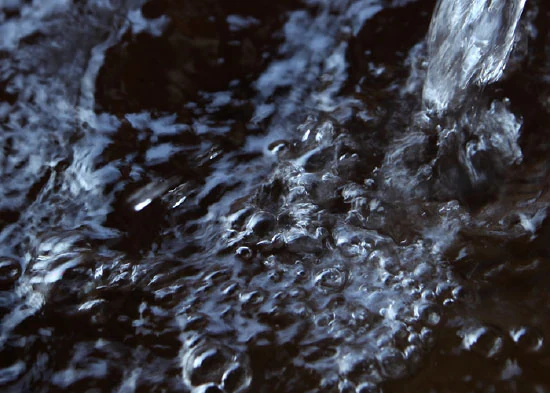
Water
Rain and snow on Mt. Fuji filter through lava rock for about 70 years and emerge as very soft water, with a hardness of just 32.
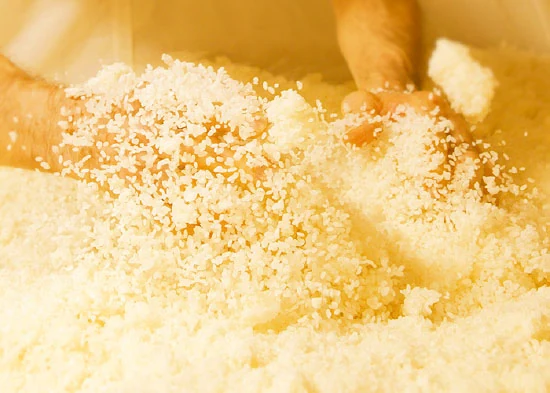
Hands
In 1974, ahead of the rest of Japan, the brewery released a sake brewed from rice alone, with no added sugar or distilled alcohol.
“Brewing sake takes a great deal of work, but I want to keep doing it with single-minded honesty, without ever cutting corners.”
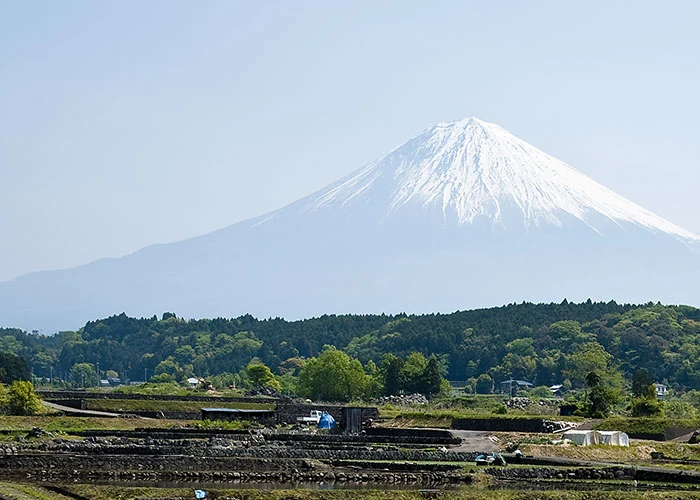
Shizuoka, the ginjo kingdom
Between 1975 and 1984, Denbei Kawamura and fellow researchers at Shizuoka’s prefectural industrial research institute worked with local brewers to develop Shizuoka yeast.
Sake brewed with it is light and clean, with fruity aromas that recall melon and banana, and it is known for bringing out the flavour of food. Shizuoka came to be called the “ginjo kingdom”.
Source: Shizuoka Prefecture official website
Kura-biraki: celebrating the new sake
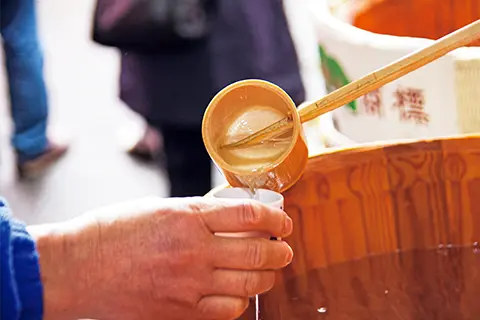
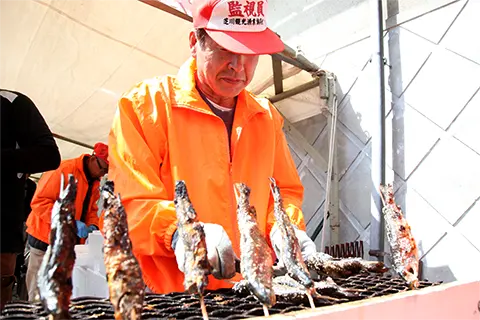
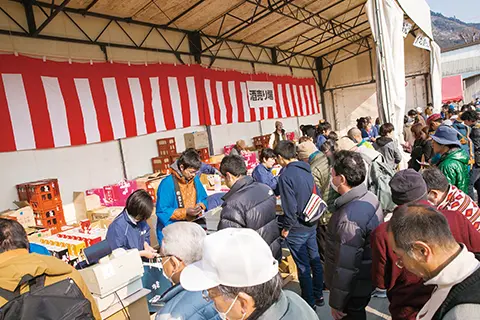
Kura-biraki, the brewery’s open day, is a yearly celebration of the new season’s sake. Fujinishiki holds it with the Yuno village association, pouring new sake brewed with Mt. Fuji spring water.
Visitors tour the brewery, taste the new sake, shop for local produce and enjoy a children’s area. The 26th kura-biraki was held in March 2026, and the brewery wants it to be a day everyone can simply enjoy.
Amachi Hoshisora, from a 300-year-old brewery
View productsPhotographs: Fujinishiki Brewery